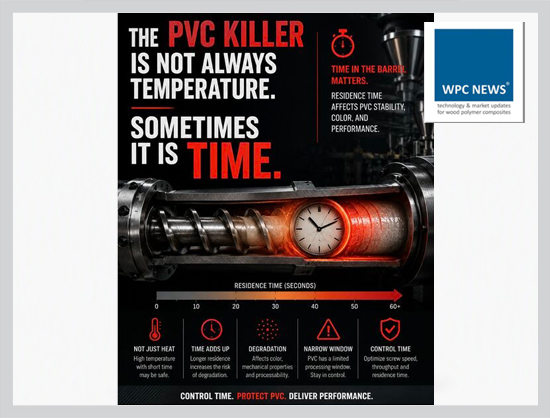
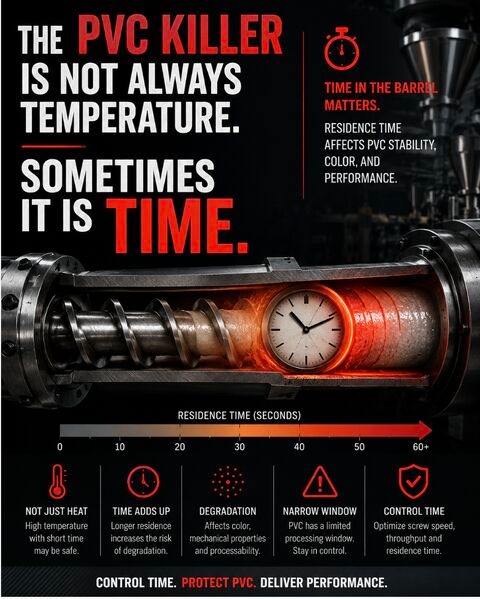
Residence time drift is the PVC killer many lines underestimate. Everyone checks the temperature. Barrel zones. Die zones. Melt temperature. Cooling water.
But one question gets missed too often: How long did the PVC actually stay hot?
That is where residence time matters. And in PVC, time under heat can be just as important as temperature itself.
The dangerous part is that residence time drift rarely announces itself. It creeps in quietly: Screw speed changes. Feeding becomes unstable. Output drops. Back pressure increases. Screen pack starts restricting flow. Die build-up grows. Screw wear changes conveying. Material hangs up in a dead zone. Operators slow the line to “stabilize” it. The set temperatures may look the same.
But the PVC may be spending longer under heat, shear, or stagnant flow. That extra history can show up as: yellowing Odor black specks plate-out burn marks gloss loss lower thermal stability weaker mechanical properties
The trap? Residence time problems often look like stabilizer problems. So people add more stabilizer. Or change the lubricant. Or blame the resin.
But the root cause may be simpler: The material stayed hot for too long, or got trapped where it should have kept moving. PVC does not only degrade because it got too hot. It can degrade because it stayed hot too long. Good processing is not just temperature control. It is time-temperature-flow control. Because in PVC extrusion, the clock inside the barrel matters. Even when nobody is watching it. #PVC #PVCProcessing #Extrusion #ProcessControl #PVCCompounding #MaterialsScience #PlasticsProcessing
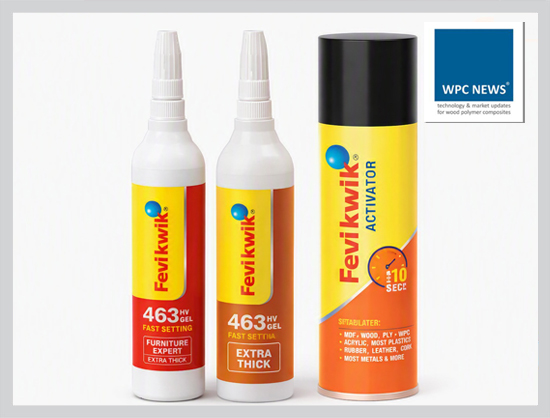
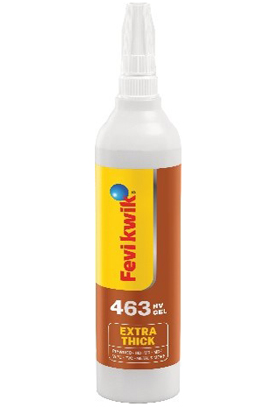
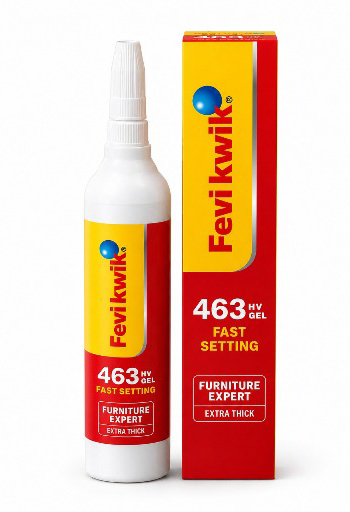
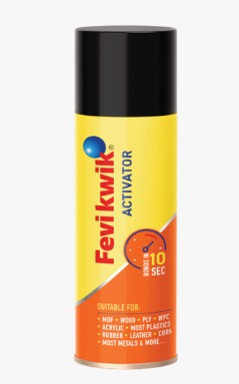
In today’s fast paced furniture making, speed, precision, and reliability are critical. Bringing the trusted performance of the Fevicol and Fevikwik family, Fevikwik 463, Fevikwik 463 fast setting and Fevikwik Aerosol activator are transforming the way woodworking contractors bond two surfaces. These products are ideal for applications such as WPC-to-WPC bonding, PVC tape fixing, louvers, charcoal panels, and decorative metal patti installations, delivering fast, strong, and reliable adhesion.
PRODUCT DETAILS
FK 463
FK 463 FAST SETTING
FK 463 + FK ACTIVATOR
Appearance
High Viscosity, Thick Cyano Gel with Good Flow
High Viscosity, Thick Cyano Gel with Good Flow
1) High Viscosity, Thick Cyano Gel with Good Flow 2) Liquid Aerosol Spray
Setting Speed on WPC Based Surface
30 -40 seconds
20-30 Seconds
5-10 Seconds
Benefits
Faster SettingLonger Working TimeNon-Dripping and Easy flow from Bottle without any Nozzle Chalking
Improved Speed of SettingFor Versatile WPC based applicationNon-Clogging
Instant Bond without Keeping longer Pressing / HoldingMinimise Risk of Bond failureBeneficial for higher running ft application with ease for e.g. Partition, Selves, Edge Banding tape on WPC Edges
Packaging
20 g, 125g, 250g,
125g, 250 g
200 mL
Shelf Life
12 months
12 months
48 months
As demand for faster and smarter furniture manufacturing continues to grow, Fevikwik’s specialized WPC bonding solutions offer a clear advantage. With quicker setting times, ease of application, and reliable bond strength, Fevikwik 463, Fevikwik 463 Fast Setting, and Fevikwik AerosolActivator help manufacturers save valuable time while delivering superior workmanship.
“Furniture Ka Fevikwik – Saving Time, Labour and Money at Every Job Site”.
After the overwhelming success of the 12th Vinyl India 2025 – applauded as the World’s Largest Global PVC Summit & Exhibition with 1,250+ delegates, 540+ organizations, and 25 countries represented – we are now proud to announce the 13th Edition of Vinyl India to be scheduled in April 2026, at Mumbai, India.
This prestigious Summit will once again unite Global Leaders, CEOs, Policymakers, Innovators, And Sustainability Champions to shape the future of PVC with strategic insights, breakthrough technologies, and high-impact collaborations.
13th VINYL INDIA – 2026 Highlights:
■ 1,200⁺ Delegates from 600+ Global Organizations
■ 80+ Global Experts & Industry Leaders delivering keynote insights.
■ 40+ Power-Packed Presentations on innovation, sustainability & smart manufacturing
■ 75+ Cutting-Edge Exhibitors with live demos and digital transformation showcases.
■ 10+ Business Sessions & Panel Discussions on demand-supply, regulatory updates, uPVC windows, OPVC challenges, PVC IND 4.0, and recycling trends.
■ ElitePlus++ Meeting Scheduler – plan your high-value B2B meetings in advance.
■ Networking Cocktail & Gala Dinner.
Why You Must Be There
■ Decode PVC demand-supply dynamics amidst India’s infrastructure boom and Global trade shifts.
■ Gain clarity on sustainability imperatives, regulatory frameworks, and circular economy goal.
■ Experience unparalleled networking where every attendee is a decision-maker.
■ Be part of the only Global stage where PVC & Chlor-Alkali industry’s future is decoded.
Highlights from Last Year
The 12th edition of the Summit featured over 75 Global Subject Matter Experts and attracted more than 1,250 delegates across 25 countries, cementing its status as the World’s Largest PVC Business Summit.
Key Verticals Participating
Resin Manufacturing | Downstream Processing | Machinery and Equipment Suppliers | Technology Licensing | Additives and Stabilizers | Channel Partnerships and Distribution | Sustainability and Environmental Solutions | Trade and Indenting | Consulting Services | Academic and Research Institutions | Industry Associations | Government and Policy-Making Bodies
Industry Insider Insight:
If you are in the PVC industry, missing this event is simply not an option! Whether you are a CEO, Technical Expert, Decision-maker, or Industry Leader, this is where the latest technologies, sustainability breakthroughs, and next-gen applications are revealed. This is the Summit & Exhibition that sets the course for the future of PVC.
Together, let’s Shape the Future of PVC at the 13th VINYL INDIA – 2026!
Why Should Attend?
Attending the conference will offer you several compelling reasons to be a part of this Global PVC industry meet:
Empower Your Business, Expand Your Network. Meet and engage with over 1,500 Global Delegates from across the PVC & Chlor-Alkali ecosystem — every attendee is a decision-maker, ensuring meaningful interactions and qualified business leads.
Gain Strategic Insights Decode demand-supply dynamics, policy directions, and trade developments shaping the PVC sector amid India’s infrastructure boom and global market realignment
Stay Ahead in Technology & Sustainability Learn from 70⁺ Global Experts on themes spanning smart manufacturing, digital transformation, circular economy models, and new materials for a sustainable future.
Showcase, Collaborate, Grow Experience live demos from 75⁺ exhibitors showcasing cutting-edge technologies, machinery, and sustainable solutions – where every interaction creates real business value.
Be Where the Future is Decided This is the only platform where the PVC industry’s future is debated, defined, and driven forward – from policy and regulation to technology and innovation
Please feel free to reach us at delegate@eliteplus.co.in or call us/WhatsApp directly at +91 9619634690.
Looking forward to welcoming your team once again to the World’s Largest PVC Business Summit & Exhibition.
Transparent wood is a relatively new material. For the first time, it was created in 1992 by a German researcher Siegfried Fink. Back then he turned wood transparent to reveal its specific cavities for analytical purpose. In 2015-2016 researchers from Swedish KTH University and University of Maryland developed a method to remove colour and some chemicals from small wood samples and added polymers to make it transparent.
The production of transparent wood involves dissolving lignin and replacing it with another transparent material, followed by nano-level treatment and final treatment with a transparent polymer. Two structural variants exist: multilayer transparent wood and single-layer transparent wood, both having the same thickness but differing in physical and chemical properties. Multilayer transparent wood is considered superior due to its lighter weight, fewer internal cracks, better light transmittance, improved mechanical strength, and smoother interfaces.
Transparent wood finds practical applications in various industries. Common uses include windows and solar panels, where it ensures sunlight transmittance and effective thermal insulation. Engineers are exploring innovative applications such as touch-sensitive wooden dashboards in augmented reality.
Beyond construction and energy-related applications, transparent wood is making its way into diverse fields. In biomedical devices, automotive windshields, packaging, flexible electronics, and high-end sports equipment, transparent wood offers unique advantages. Its use extends to lightweight vehicles, thermally insulative wood, and paper for consumer electronics and batteries.
The versatile properties of transparent wood make it a material of interest for numerous industries, showcasing its potential to contribute to sustainable, high-performance solutions in various technological and manufacturing domains. As research and development in this field progress, the applications of transparent wood are likely to expand even further.
An attractive alternative to fossil fuel-derived materials
Transparent wood, initially developed as a replacement for window glass, has evolved into a recognized and sustainable alternative to fossil fuel-derived materials. Its biodegradable properties and minimal generation of toxic chemicals during production make it environmentally friendly. In comparison to glass, transparent wood exhibits resilience to stronger impacts, bending or splintering instead of shattering, as highlighted by the Building Designers Association of Australia.
Studies, such as those published in the Science of the Total Environment, underscore the significant potential of transparent wood in reducing carbon emissions and supporting low-carbon lifestyles. It is reported to be up to 10 million times more sustainable than polyethylene wood, presenting a compelling case for its adoption in various applications.
However, the widespread production of transparent wood carries the risk of contributing to deforestation. Balancing the environmental benefits of transparent wood with sustainable and responsible production practices is crucial to fully realize its potential as a green alternative to conventional materials. Efforts to address these challenges will be essential in ensuring the continued environmental benefits of transparent wood and mitigating any negative impacts on ecosystems.
Innovation and technological trends
Transparent wood offers significant efficiency advantages over traditional glass, being five times more efficient. This increased efficiency is attributed to reduced processing time and decreased chemical and energy consumption during production. When used as a replacement for glass glazing systems, transparent wood has the potential to reduce space conditioning energy consumption by 24.6% to 33.3% in medium and large office spaces.
Beyond its energy-efficient properties, transparent wood has the capability to store carbon, making it environmentally friendly. Its applications extend to heat storage, making it a popular choice in construction and air industries, including small aircraft.
Research efforts are ongoing to further enhance the properties of transparent wood. Focus areas include improving durability against water damage, clarity, strength, and exploring its potential as a bulletproof material. Additionally, researchers are investigating different tree species, scaling up production, industrializing the production process (including recycling possibilities and circular credentials), understanding the interaction between light and wood structure, and exploring advanced composite applications.
The demand for transparent wood, particularly in the production of optical materials, has seen a significant rise. As research continues to advance and commercialization efforts progress, transparent wood is likely to find even broader applications in various industries, contributing to sustainable and energy-efficient solutions.
Transparent wood market
The global transparent wood market is expected to experience steady growth, with a projected CAGR of 9.0% from 2022 to 2031, reaching a size of $208.1 million. Recent market trends include acquisitions, mergers, product launches, and expansion by key players. The construction segment currently holds the largest share, accounting for nearly one-third of the global transparent wood market, while the solar cell segment is expected to witness the fastest CAGR of 9.4% from 2022 to 2031.
North America is anticipated to be the largest market, with Europe projected to register robust growth until 2031. The Asia-Pacific region is expected to show the fastest CAGR of 9.5%. Construction activities are on the rise in the U.S. and Canada, driven by abundant wood supply, the aesthetic appeal of wood, and its environmentally sound qualities. Renovation and rework activities contribute to the growing popularity of transparent wood worldwide, with consumers expressing strong demand for its energy efficiency and cost-effectiveness. In Asia, particularly in Japan and China, there is an increasing demand for wood products, and transparent wood is gaining attention. India is also undergoing a transition influenced by global furniture companies.
The outlook for the transparent wood market appears promising, with various regions and applications contributing to its growth. The market’s trajectory reflects the increasing interest in sustainable and innovative building materials.
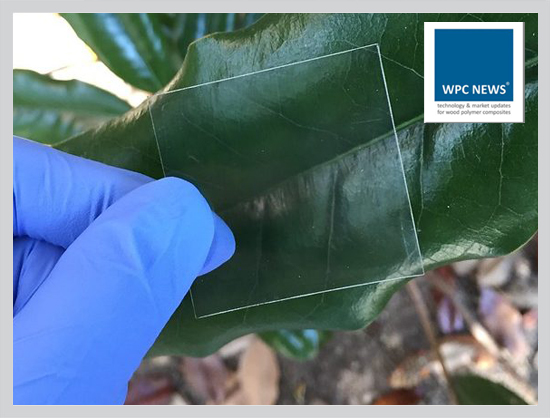
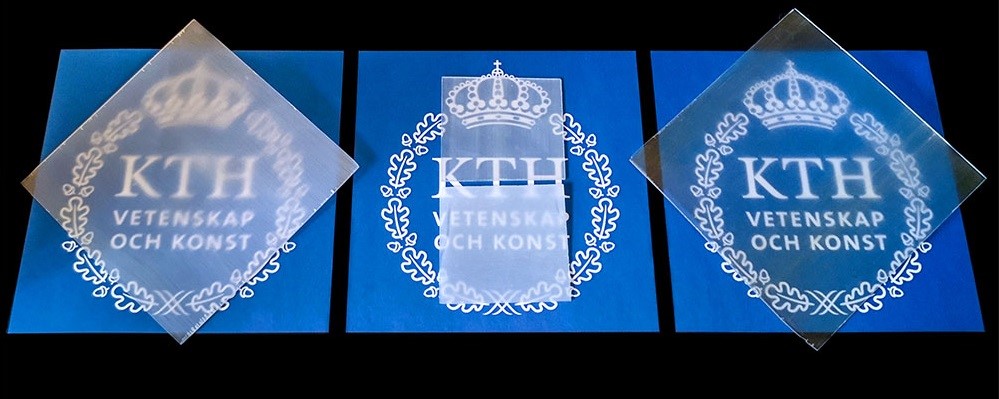
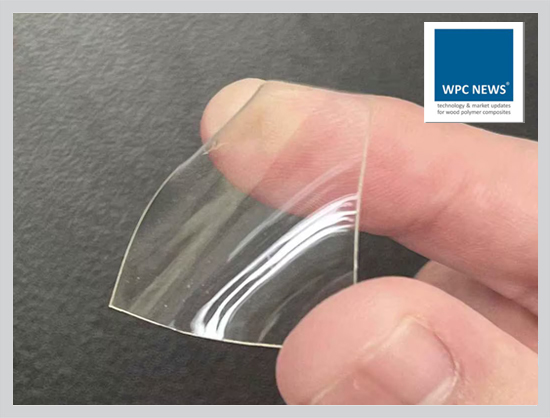
Five years after introducing see-through wood building material, researchers in Sweden have taken it to another level. They found a way to make their composite 100 percent renewable – and more translucent – by infusing wood with a clear bioplastic made from citrus fruit.
Since it was first introduced in 2016, transparent wood has been developed by researchers at KTH Royal Institute of Technology as one of the most innovative new structural materials for building construction. It lets natural light through and.
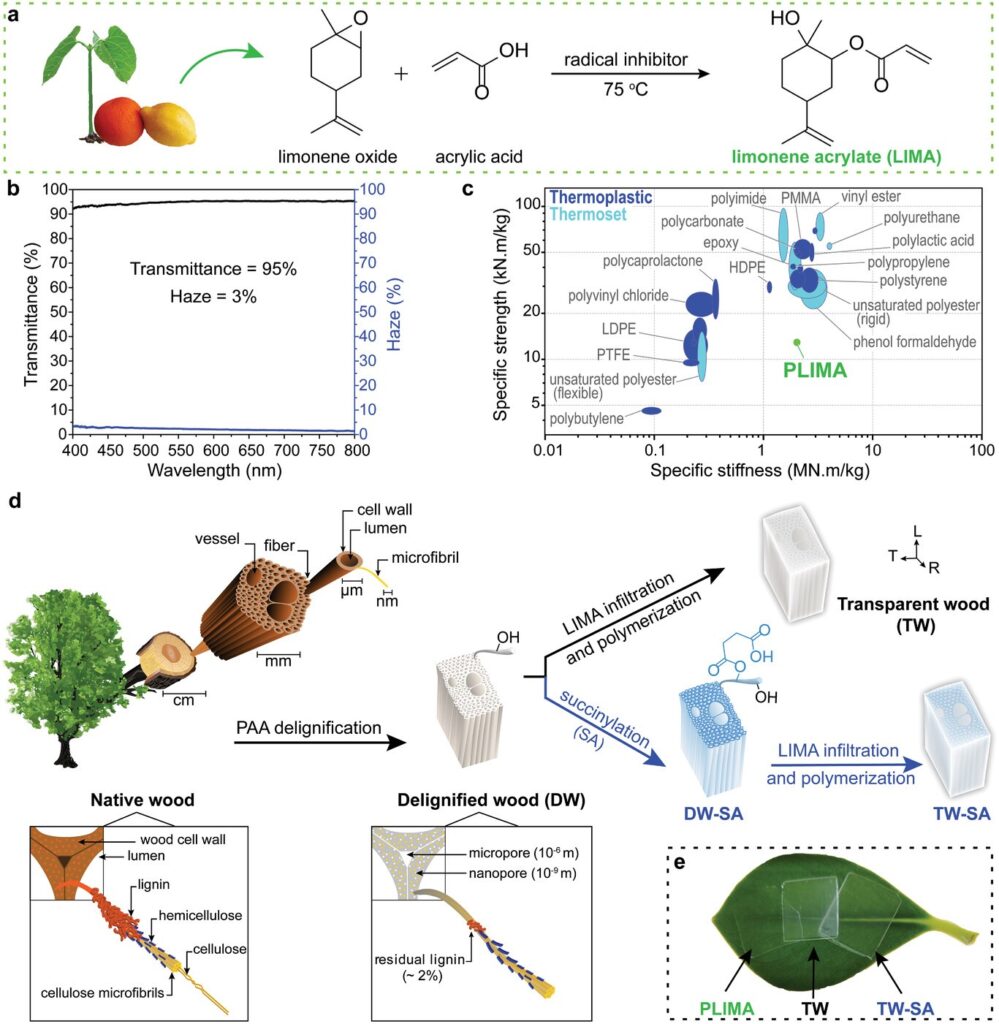
The key to making wood into a transparent composite material is to strip out its lignin, the major light-absorbing component in wood. But the empty pores left behind by the absence of lignin need to be filled with something that restores the wood’s strength and allows light to permeate.
In, researchers at KTH’s Wallenberg Wood Science Center used fossil-based polymers. Now, the researchers have successfully tested an eco-friendly alternative: limonene acrylate, a monomer made from limonene. They reported their results in Advanced Science.
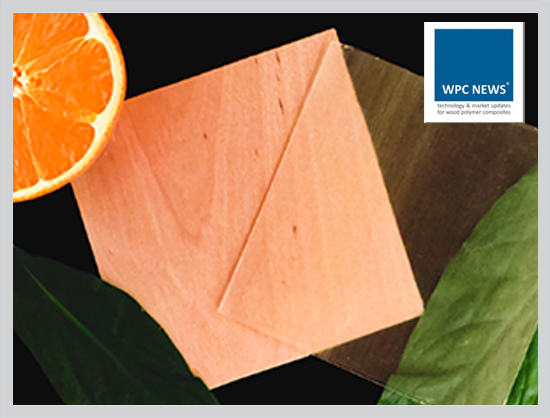
From orange juice to building material
“The new limonene acrylate it is made from renewable citrus, such as peel waste that can be recycled from the orange juice industry,” says lead author, PhD student.
An extract from orange juice production is used to create the polymer that restores delignified wood’s strength and allows light to pass through.
The new composite offers optical transmittance of 90 percent at 1.2 mm thickness and remarkably low haze of 30 percent, the researchers report. Unlike other transparent wood composites developed during the past five years, the material developed at KTH is intended for structural use. It shows heavy-duty mechanical performance: with a strength of 174 MPa (25.2 ksi) and elasticity of 17 GPa (or about 2.5 Mpsi).
Yet all along, sustainability has been a priority for the research group, says Professor Lars Berglund, the head of the KTH’s Department of Fibre and Polymer Technology.
“Replacing the fossil-based polymers has been one of the challenges we have had in making sustainable transparent wood,” Berglund says.
Environmental considerations and so-called green chemistry permeate the entire work, he says. The material is made with no solvents, and all chemicals are derived from bio-based raw materials.
Potential for nanotechnologies
The new advances could enable a yet unexplored range of applications, such as in wood nanotechnology, Berglund says. Possibilities include smart windows, wood for heat-storage, wood that has built-in lighting function – even a wooden laser.
Wood Plastic Composite based on PVC (WPVC) is a material obtained by combining rigid PVC with wood flour. This material merges the chemical resistance and self-extinguishing properties of PVC with the rigidity and natural appearance of wood. However, WPVC faces a major challenge: low thermal stability caused by the interaction between PVC and wood components.
What is WPVC? WPVC is produced by mixing rigid PVC with wood particles. This combination provides: • High mechanical stiffness. • Remarkable chemical resistance. • Self-extinguishing behavior.
The critical drawback lies in the presence of hydroxyl groups and other components in wood that catalyze PVC degradation during processing.
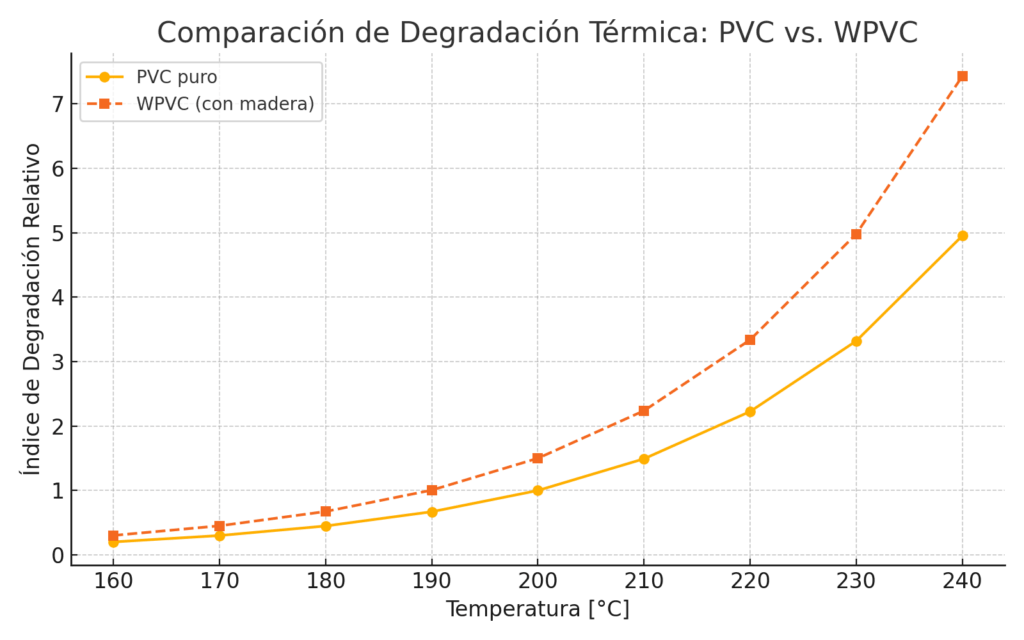
Comparison of Thermal Degradation Thermal degradation in WPVC occurs faster than in neat PVC. This is due to the release of HCl (dehydrochlorination), which accelerates darkening, loss of mechanical strength, and reduction of service life. Therefore, adequate stabilizer systems are essential to allow proper processing and preserve compound properties.
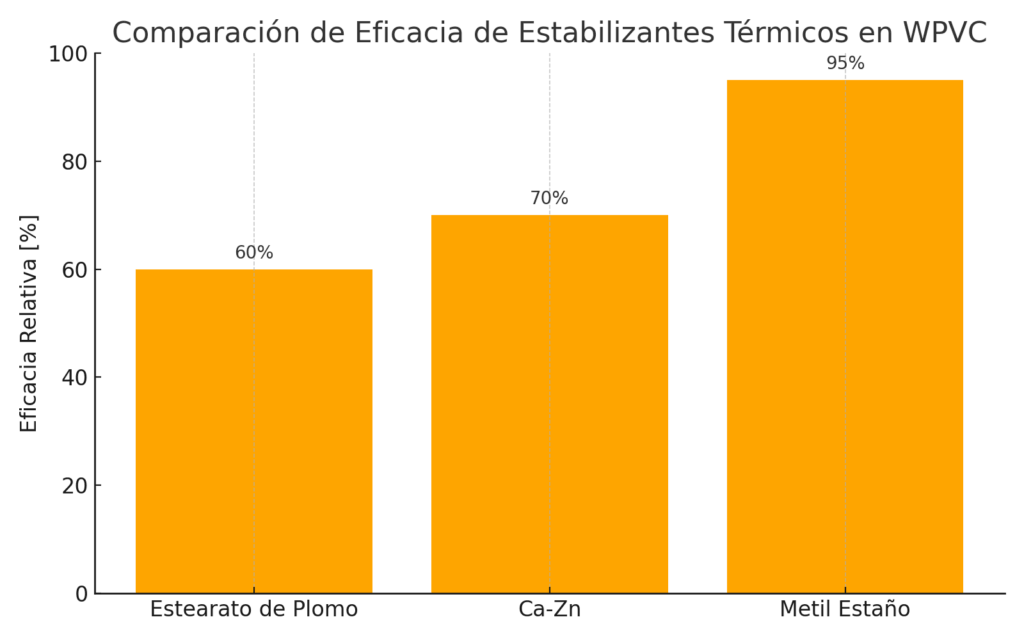
Types of Thermal Stabilizers in WPVC Thermal stabilizers are crucial additives in WPVC. The most commonly used are:
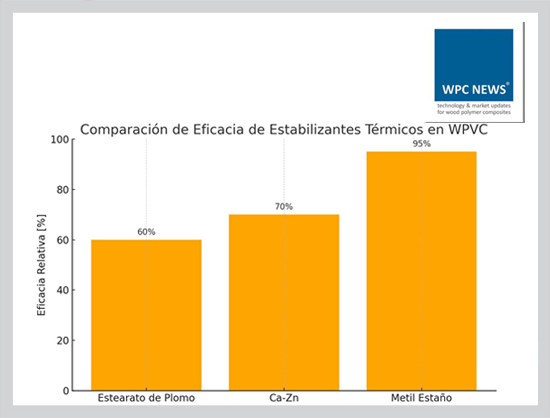
• **Lead stearate:** Highly effective, but environmentally restricted due to toxicity concerns. • **Calcium–zinc systems:** Heavy-metal-free alternative, offering intermediate efficiency with broader regulatory acceptance. • **Methyl tin compounds:** Highly efficient, particularly suitable for WPVC, as they strongly suppress dehydrochlorination.
The choice depends on balancing efficiency, cost, and compliance with health and environmental regulations.
Effectiveness of Stabilizers and Color Control The effectiveness of stabilizers is mainly evaluated through: • Induction time before degradation. • Retention of mechanical properties. • Color stability during extrusion.
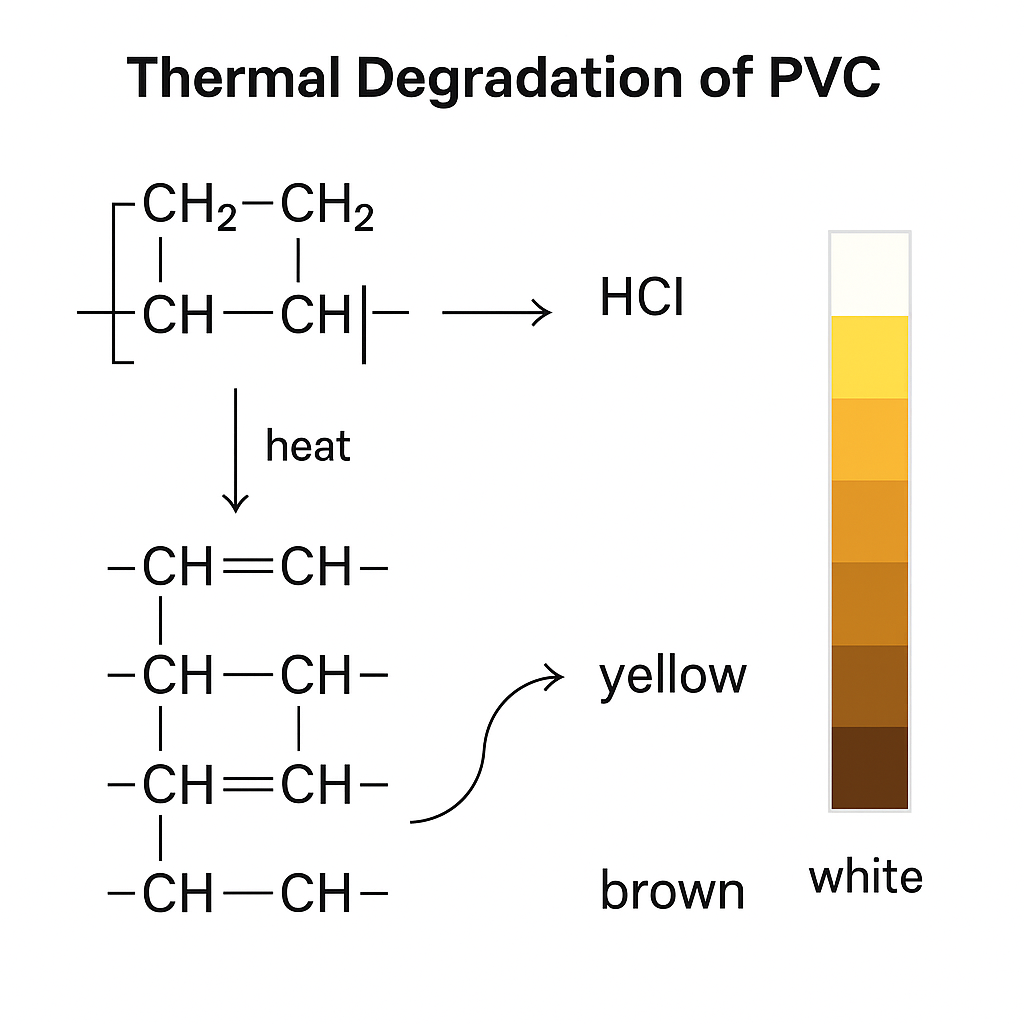
In practice, progressive discoloration is observed (yellowing to dark brown), caused by HCl release and the formation of conjugated double bonds in the PVC backbone.
Mechanism of PVC Dehydrochlorination The primary degradation mechanism in PVC and WPVC is dehydrochlorination. This process involves HCl release, triggering a chain reaction that leads to:
• Formation of conjugated double bonds (polyene sequences). • Progressive color change (from white to brown). • Loss of mechanical strength. • Shorter service life of the product.
Stabilizers act by neutralizing released HCl or by replacing labile sites along the polymer chain.
Author: Mr Carlos Cardenas, Eng. (Argentina) Carloscardenas1963@gmail.com
He is a Materials Engineer with more than 35 years of experience in the polymer industry, particularly in PVC and Wood-Plastic Composites (WPC). He is an independent consultant in extrusion processing of heterogeneous polymers and WPC-type composites.
References • Sombatsompop et al. (2003). Polym. Int. 52(12), 1847–1855. • Chaochanchaikul et al. (2011). BioResources, 6(3), 3115–3131.
Billionaire Gautam Adani’s conglomerate will build a 1 million tonne a year PVC plant at Mundra in Gujarat, marking its foray into the petrochemicals sector where Reliance Industries Ltd is the main player, sources said.
PVC, or Polyvinyl Chloride, is a synthetic plastic polymer that is widely used to make an array of products – from pipes and fittings to window and door frames, cable insulation, vinyl flooring and wall coverings, credit cards and toys.
India’s annual PVC demand is about 4 million tonnes, while domestic production capacity stands around 1.59 million tonnes, half of which is with Reliance. PVC demand is projected to grow at a CAGR of 8-10 per cent, driven by sectors such as agriculture as land under irrigation increases, infrastructure aided by water supply and sanitation, housing and pharmaceutical and packaging segments.
Adani Group’s flagship Adani Enterprises Ltd is setting up a petrochemical cluster in Mundra. Within this cluster, it is constructing a PVC manufacturing plant with a capacity of 1 million tonnes per annum, two sources aware of the matter said. The facility is slated for commissioning by fiscal 2028 (April 2027 to March 2028 financial year).
The PVC Project is expected to include capabilities for manufacturing PVC, chlor-alkali, calcium carbide and acetylene units.
Adani group is looking to implement the Acetylene and Carbide-based PVC production process, with environment clearance and consent to establish the project, having already been received, sources said. Given the current higher demand and lower supply of PVC in India, the Adani project will help reduce the supply gap and import dependency.
The project will pit the group against Reliance, which is currently India’s largest PVC producer, with an estimated capacity of around 7,50,000 tonnes per annum.
Reliance has PVC plants at Hazira, Dahej and Vadodara in Gujarat. It is looking to double its capacity by 2027. Adani’s group and Mukesh Ambani’s Reliance had for long moved in non-overlapping orbits, but first clean energy and now petrochemicals would be sectors where they could be competing against each other.
Sources said Adani’s Mundra plant could in the future be expanded to 2 million tonnes per annum capacity on demand growth. Initially halted in March 2023 due to financial uncertainties and allegations from US short-seller Hindenburg Research, work on the project was resumed last year. The Adani Group has since refocused its resources, raising over USD 5 billion in equity and additional debt, and fully repaid share-backed financing.
Financed by an SBI-led consortium, the project will utilise acetylene and carbide-based PVC production processes. Sources said the Adani group is confident of sourcing feedstock given that its portfolio companies have expertise in trading in domestic and international markets.
Also, the group’s synergy benefits and availability of large land parcels in Mundra, together with access to port facilities will optimise the logistics cost for sourcing of raw material/inventory handling cost as well as for transportation of the final products to the prospective domestic and overseas markets and ensure smooth implementation of the project.
They said the Adani portfolio has a proven track record in successfully commissioning and managing large-scale infrastructure and industrial projects, encompassing areas like ports, power, and logistics. It has an abundance of science and engineering graduates, along with a well-trained workforce proficient in various skills.
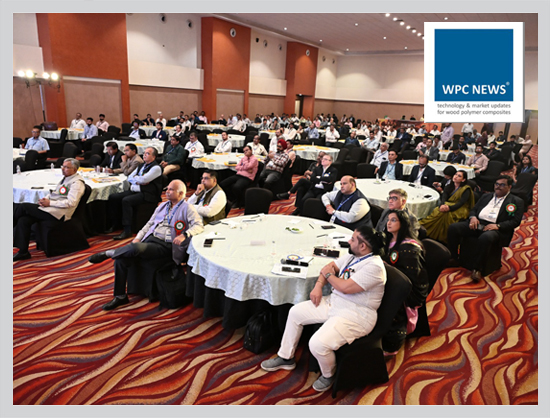
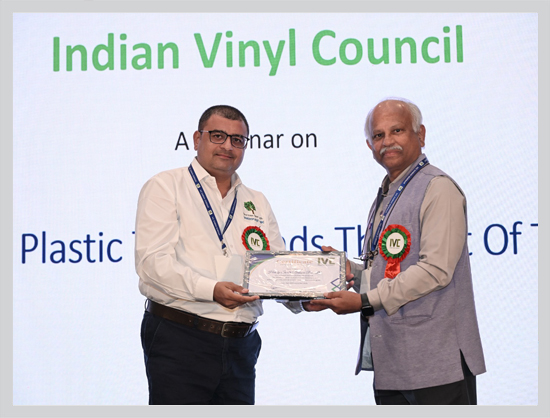
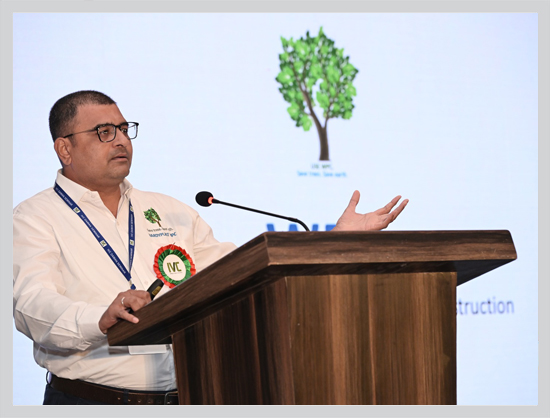
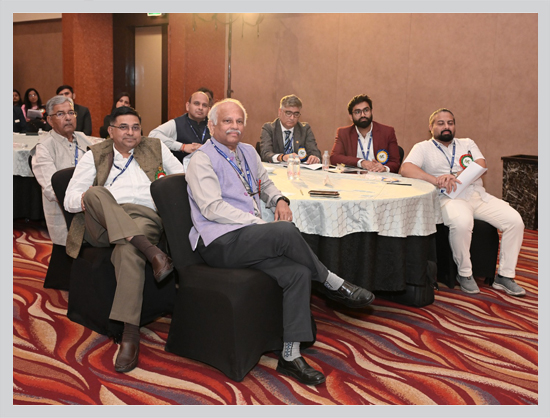
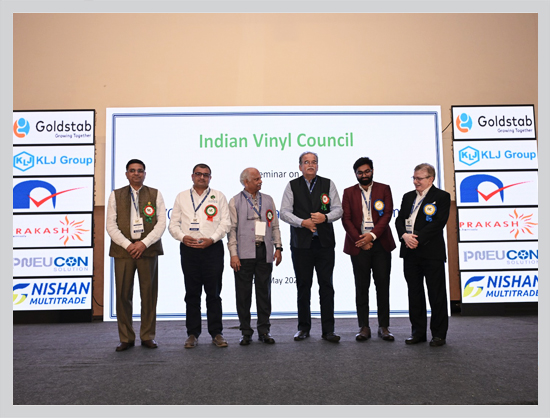
Indian Vinyl council a body formed to promote and advocate all round development of the entire Vinyl industry comprising of all elements of the Vinyl value chain, has started taking initiatives by conducting cyclical events all around the nation. After it’s 1st leaf at Jalgaon, Its 2nd leaf was opened at Daman, Gujarat in the western part of India near Mumbai under the topic said “PVC – Plastic that stands the test of the time.”
It was a qualitative event performed in presence of prominent industry speakers as listed below.
1 Janam Shah – Manager, Business Dev. Goldstab Organics
2 J Parmar – General Manager, Sales & Technical KLJ Group
3 Manoj Vermani – Asst. Vice President, PVC Business, Reliance
4 Mahesh Thakar – President Marketing, Prasad Pneocon Automaion
5 Netaji Jamdade – Associate Vice President – Operation & Technical, Polycab
6 Hardik Panchal – Managing Director – Hardy Smith
7 Robin Banerjee – Managing Director – Nucleon Research
8 Sourabh Mittal – Partner, R P Plastic
The event was designed under the leadership IVC Management & working committee with an effective and efficient outlay for PVC Industry of India. Their conceptual addressing was quite clear with their noble thought process of encouraging the overall Vinyl Industry of the country.
The team of Speakers addressed techno commercial aspects of PVC including Machines, Chemicals, Markets, Material Handling, Formulations, Recycling and innovations. Overall, it was an effective combination providing knowledge platform to the industry fellows.
IVC is sincerely working on creating a strongest platform for Vinyl and engaging the Industrial community from all around the world connecting with India. The leadership team of IVC is one strong combination of industry’s most experienced people, those have spent their life on this material.
Keep watching for next address of IVC’s event here.
The journey of WPC in India, reaching 15th year. This year, the WPC market exceeded 10,000 Cr INR/1.15 billion USD, against global market of 10.5 billion USD. More than 1000 extruders have been set up across the country. 1.70 MMTPA is the installed capacity of India today with WPC machines. Funding is being poured from small startups and large corporations, both. There is a growing investment in PVC based WPC products.
India makes WPC | India uses WPC | India demands WPC
India has more versatile usage and applications of PVC based WPC compared to other part of world. Intense usage methods and patterns are found in the country those are influenced by the culture. Innovative designs are adapted to local needs and applications across the Rual and urban plethora. Numerous opportunities are evolving the in developing markets of India for WPC. India’s 1.46 billion Population serves as a key strength for larger market share, globally.
A huge replacement is forecasted for Wood
India‘s wood market size is estimated to be USD 16.07 billion in 2025. Massive replacement is forecasted for wood and allied products with WPC. Technical properties of WPC cater in resolving fundamental issues of wood like moisture, termite, fire, wastage and most important is wood’s use with surface preparation only. WPC is finding acceptance with applications ranging from carpenters to large construction firms. Today, WPC is being utilized notably by both private and public sectors for building and construction applications.
Booming construction markets of India
Indian construction market is expected to reach to USD 2134.43 billion by 2030. As of March 2025, RERA in India has 1,43,000 projects registered comprising of 11.1 million construction units. Multistorey Apartment market is experiencing cultural shift with Large, multi-bedroom high-rises in demand across all the tires. The redevelopment sector is in momentum and that is one major driver in construction sector as well. For an example, Ahmedabad as the 7th largest Indian city with 9.06 million population has 400 redevelopment projects in negotiation. It shows the intensity and volume.
Massive demand is projected for Sustainable furniture materials
The country’s rising land prices will necessitate vertical developments. With this, India’s Furniture demand is projected to reach USD 25.75 billion in 2025 and Interior design market to reach USD 35 billion by 2025. Spending on the home Interiors is increased and matches to the building unit costs in cases. As disposable income rises for the middle class, spending power increases on property buying and lifestyle purchases. Demand is growing for smarter, faster, and sustainable materials that can deliver furniture in no time. Culture influences families to be nuclear, resulting in increased buying of houses, especially apartments.
Manpower crisis of today and future
Demand for skilled workers in India is 103 million and supply is 74 million only! Skilled manpower for machine operating to the product installations are becoming scarce. Factories may have orders but deliveries to be addressed in time, may become a challenge. You may have materials ready, but site installations…again a challenge! Developing IT, Retail and Food chain sectors are enjoying shuffling of manpower from hard core sectors. Thus, skilled labours/artisans are reducing, massively. Here India will need smart materials like WPC.
WPC – a product for Indian markets – Smarter, faster, designer in Indian way
WPC becomes compatible with its faster making, easy joineries and faster installation possibilities, that leads to less project hand over time. Its glue joinery with cyanoacrylate can create an era in furniture making.
Opportunities for Global WPC Technology suppliers
INDIAN FORECAST for WPC technology sector says there will be500 new lines will be needed in next 5 years. There are no local WPC technology manufacturers, thus India needs good extrusion lines from the other part of the world. Bigger capacity machines are a NEED of the HOUR for WPC sheet and profile extrusion technology markets.
INDIAN OPPORTUNITIES stands with Machines, Dies, Screws and Spares. Global players can bring into Technical/Technological collaborations and Joint ventures with Indian players sharing their expertise and enjoying the booming market share here. Manufacturing startups and investments can be planned in India for above products as well as in AI/Robot based material handling.
Opportunities for Global WPC product suppliers against INDIAN DEMANDS
Door & Window – USD 7.3 billion by 2025. Façade demand – USD 5,578.3 million by 2033. Wooden flooring – USD 85.15 million by 2025. Public sector projects – USD 11.1 trillion by 2025. Housing projects – USD 150 billion by 2025. Residential projects – USD 205 billion by 2025. As a figure of interest, Inventory of 1 million residences was ready in 2024.
Indian opportunities stand with the Direct product supplies, Partnerships with Indian brands, Manufacturing investments FDI, Collaborations & technology transfer route.
PVC – taking a strong space in W-PVC sector as W-PVC in Interiors, W-PVC in Exteriors, W-PVC in Modular Furniture, W-PVC in Decorative products and many more.
What Vinyl based WPC Industry needs to create a larger show?
Indian WPC Industry needs Lamination Technologies & materials, Adhesives/Adhesive systems for WPC Panels to HPL, WPC Panels to wood veneers, WPC Panels to Acrylics, WPC Panels to Vinyl sheets. The WPC industry needs good brands and materials for Paints & Coatings for WPC surfaces.
Cumulatively, vinyl-based WPC Industry is flourishing in india in all around demands from villages to cities. Taking from the WPC Door frames to the Exterior facades WPC is creating a solid space. There are a few known but strong and responsible brands are leading the market with best products, with consistent quality and standard raw materials. Vinyl based WPC products are sustainable and can make the future sustainable.
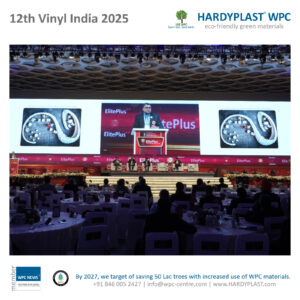
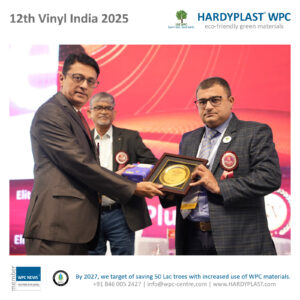
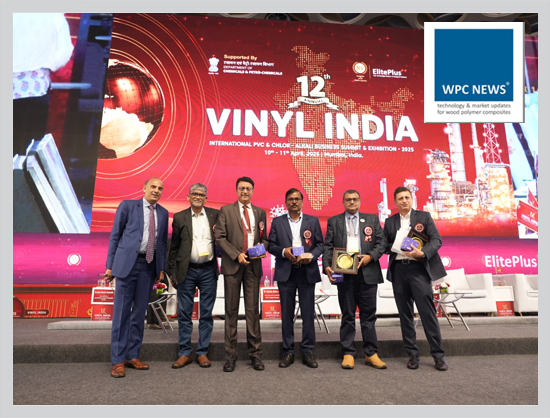
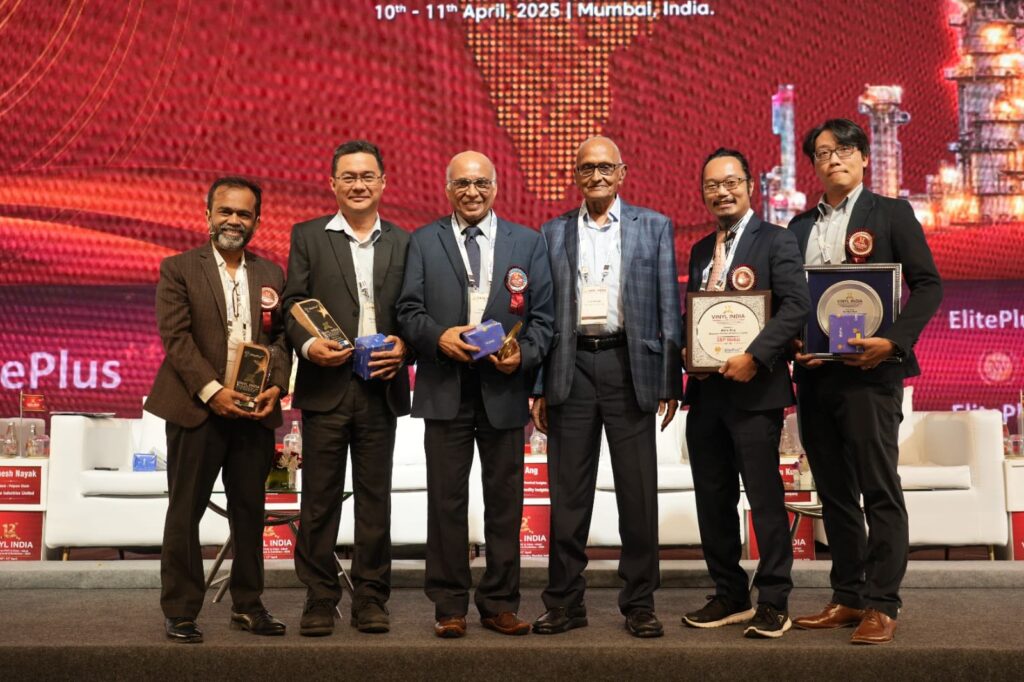
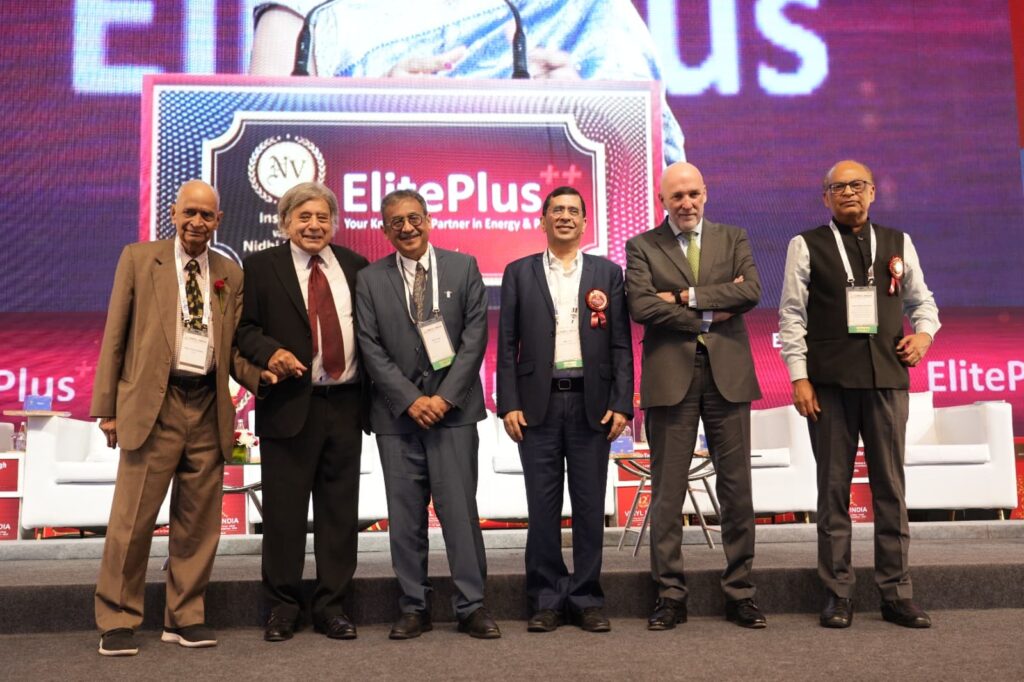
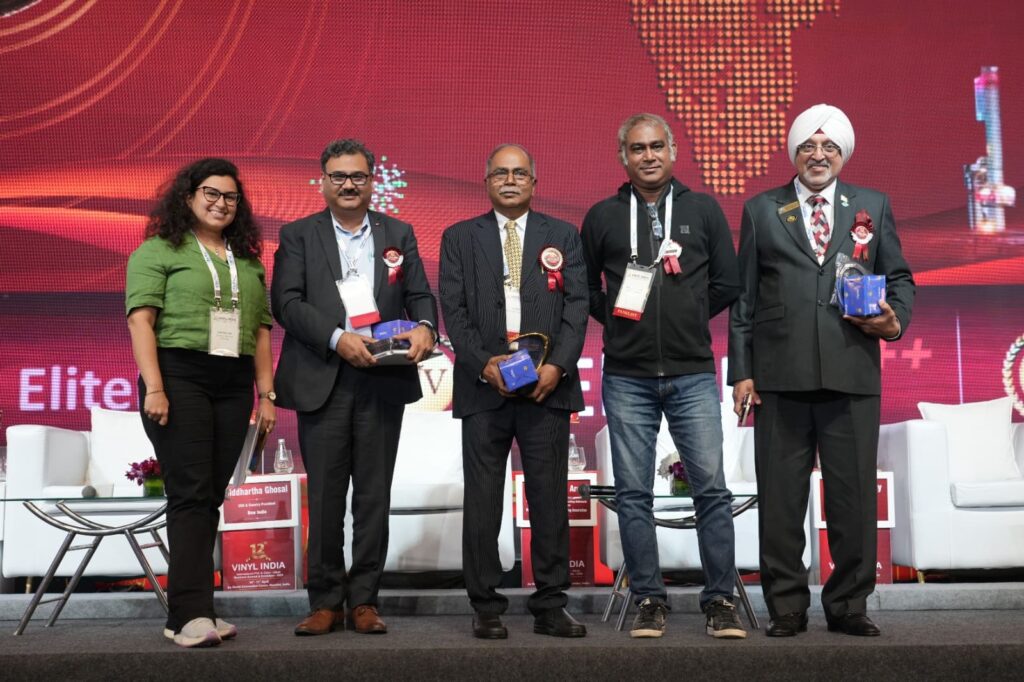
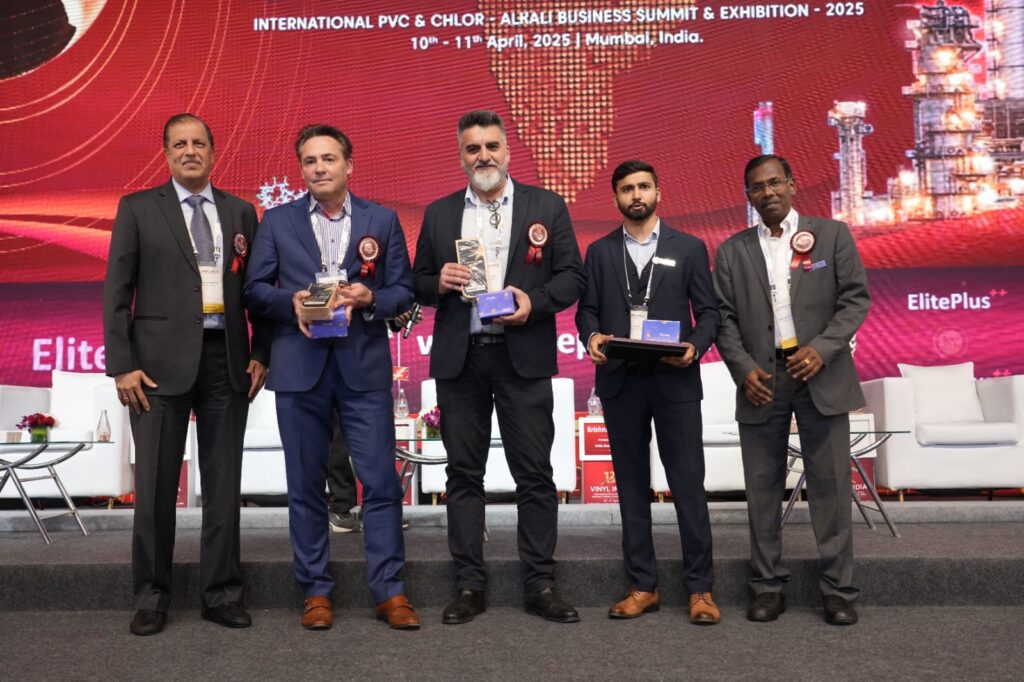
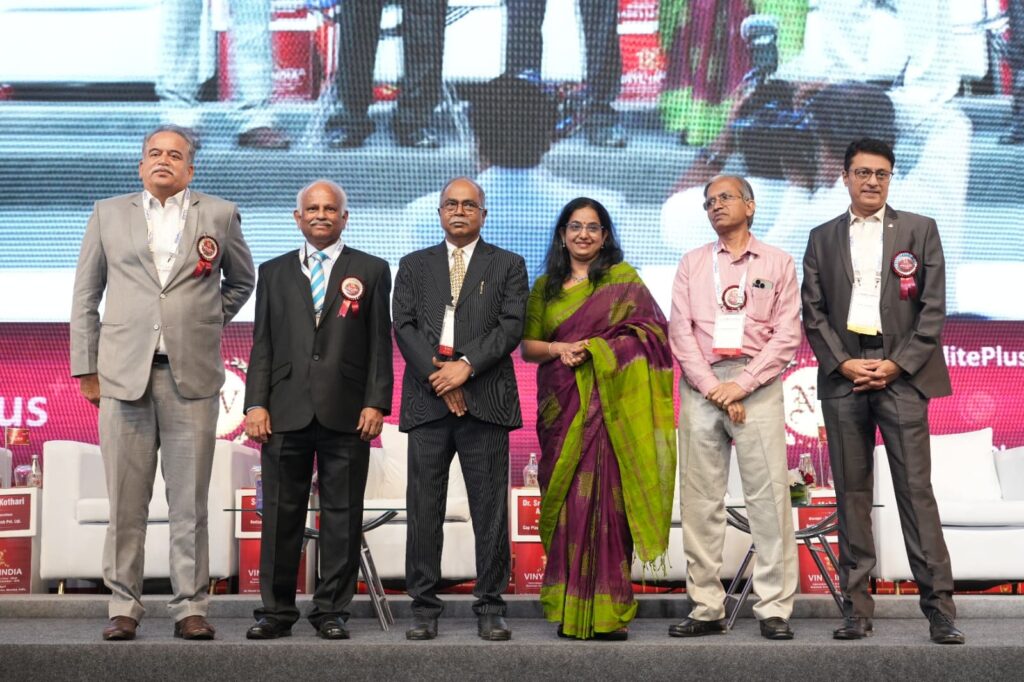
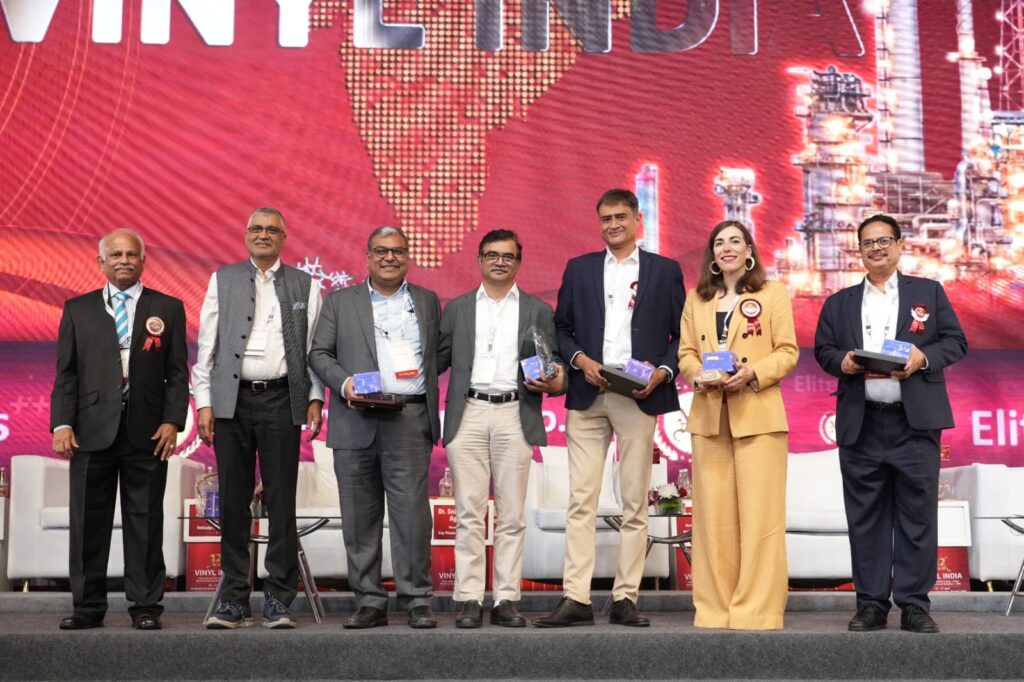
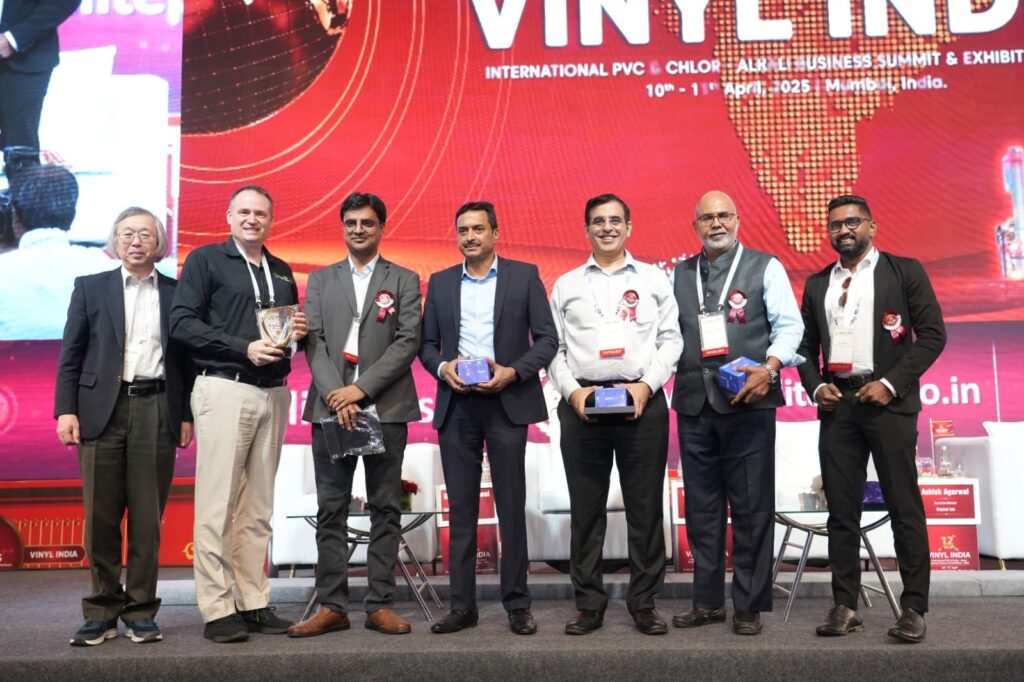
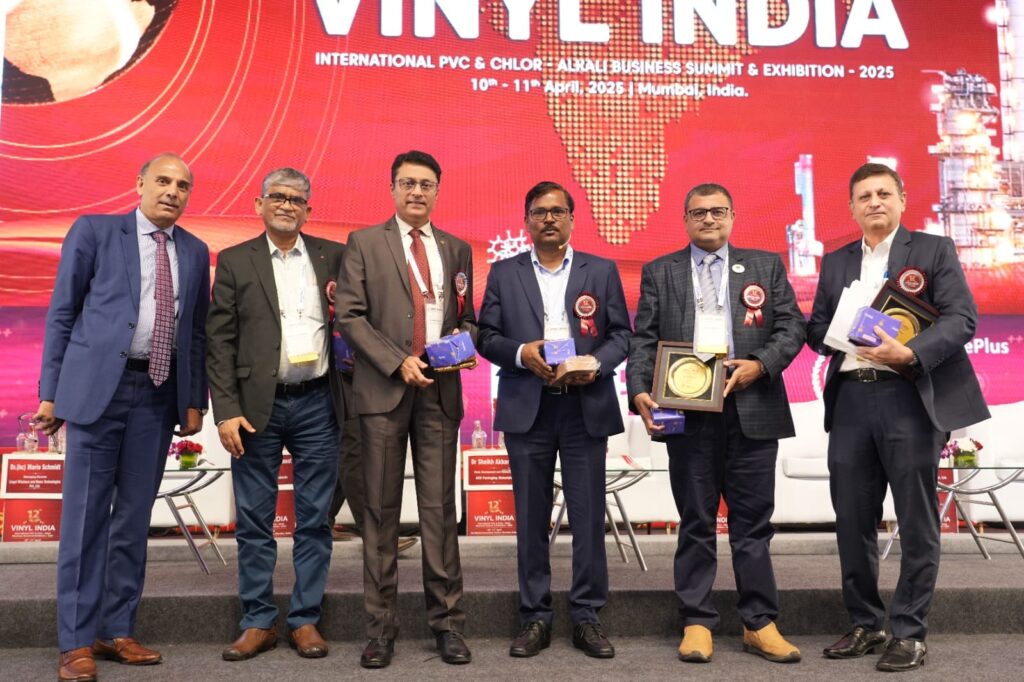
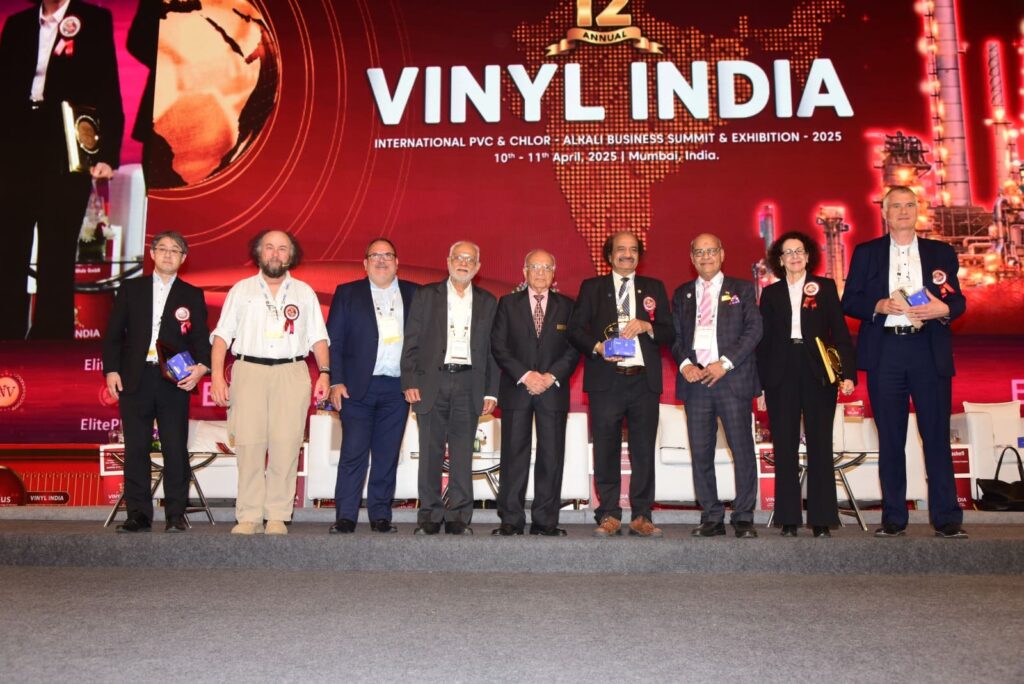
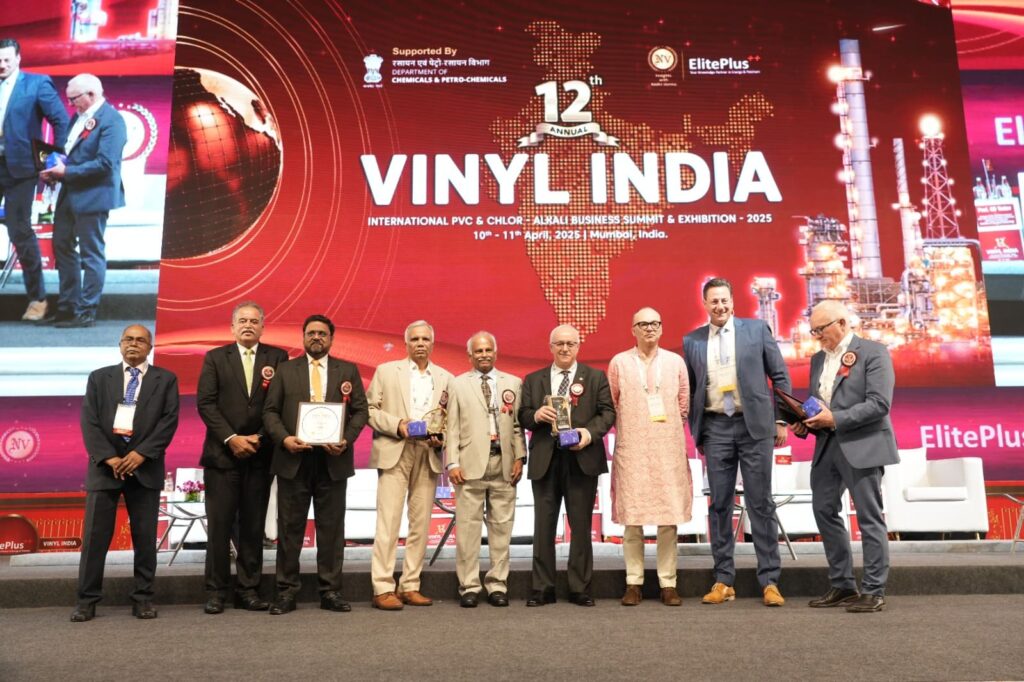
It was a global presence of Vinyl tycoons from all over the world at Jio world centre. Two days,10th and 11th April of 2025 were dedicated to the sustainability via Vinyl. The event was Vinyl India 2025 organised by Elite Plus team under the leadership of Nidhi Verma. 1250 attendees from over 25 countries and 540 organisations graced the event as a Gala gathering of Vinyl think tank of the world.
Shri Dipak Mishra, Joint secretary, Ministry of Chemicals & Fertilizers, Govt of India as a guest of honour kicked start the event addressing the potential of the country India. Next to him were the 70 leaders and veterans those addressed the attendees with their knowledge, information, ideas and thoughts. CEOs Jim Coulston from Vinyl Institute Canada, Aiñe Curran from Vinyl council of Australia & Ned Monroe from The Vinyl Institute conveyed their messages about the technicalities and positivity of Vinyl and its applications for the sustainable future.
Context set by Ajit Singh, Chairman, ACG Group followed by the Key address ‘Vinyls in 2030: Strategies for growth, innovation and environmental responsibility by Vivek Jain, MD, DCW ltd. Anil Jain, Chairman & CEO, Jain irrigation addressed for ‘Budget boost for Agriculture – in India impact of PVC growth. Ignacio Torras, President & CEO, Tricon energy talked over ‘Chlor Alkali & PVC – What’s changing and why it matters’. The entire conference was divided precisely into Business Sessions covering the entire arena of Global Vinyl Industry, as follows:
Business Session I: Business Overview & Outlook
Unmesh Nayak, President – Polymer Chain, Reliance Industries Limited talked over the Time to Unlock Potential of PVC Applications. He covered a lot of applications where Vinyl is finding a space based on the sustainability. Next speakers were from world media including Bernard Show, Editor Chlor Alkali Asia, Alvin Ang, Executive Director, Chemical Insights, Gordon Kuo, Director, Asia/ISC Vinyl & ISC Chlor-Alkali (A Dow Jones company), Ye Yingmin, MD, Chem1 consulting, China. They talked over PVC Market evolution and trend shifts in Global chlor alkali & vinyl Industry.
Business Session II: Revolution in Pipes & CPVC
Bhavana Bindra, MD, The Lubrizol corporation for India, Middle East, and Africa addressed about Sustaining India’s No.1 position in CPVC global markets.
Business Session III: Processing & Downstream Machinery
Global technology players demonstrated information about the developments in compounding & mixing, extrusion and material handling. The speakers were Rad Jakob, Head – Compounder Projects, Theysohn Extrusionstechnik GmbH, Clemente Bausano, Director, Rajoo Bausano Extrusion Pvt. Ltd., Christian Schalich, Head of Sales, Hose & Tube, Sikora AG and Andreas Backhaus, Director of Global Sales and Legal Officer, Mixaco Dr. Herfeld GmbH & Co. KG.
Business Session IV: Green PVC – Sustainable Product
Prominent speakers here were Professor Mark Everard, Director, Pundamilia Ltd. Explain effectively over The Material Basis for Meeting Human needs in a Challenging Future. It was an interesting presentation. Andy Jones, Global Executive Committee – PVC, Baerlocher Group spoken over concept of Stability: ‘The Cornerstone of Sustainability’. Nasrin Kashefi, Director, Global Plumbing and Plastic Products, NSF talked over the Drinking Water – International Standards for Vinyl Products.
Business Session V: New Aspects in PVC Processing
Siegfried Koehler, Managing Director/CEO, battenfeld-cincinnati Austria GmbH talked over the latest developments in PVC Extrusion.
Business Session VI: Innovations in Applications – Solutions for the Future
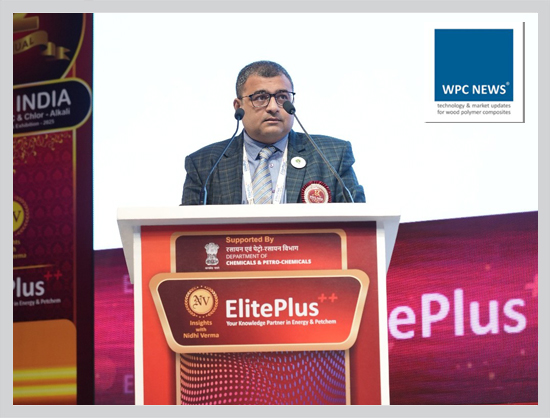
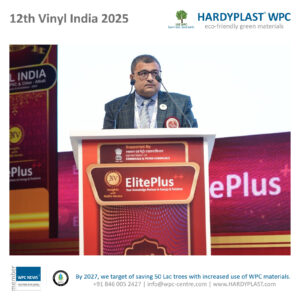
With a topic ‘Changing Landscape of PVC Pipe Industry and New Horizons’, Saumya Chakrabarti, Technical Director, Finolex Industries Ltd. Kick started the session. Dr Sheikh Akbar Ali, Head, Development and Technology, ACG Packaging Materials talked over PVC: Boon or Bane in Pharmaceutical Industries, in a very interesting way. Hardik Panchal, Founder & CEO, Hardy Smith & WPC News talked on ‘Vinyl based WPC – Trending in Green Building Practices’. His presentation remained very interesting while speaking over the sustainability via WPC in construction sector and Its potential for India.
Concluding Business Sessions were covering subjects like Opportunities and Challenges for OPVC, Latest Advancements in Stabilizers and Latest Developments in PVC Additives.
Thoughts provoked
While plastics are getting negative thoughts and facing bans with applications, vinyl-based products are securing the earth truly in a sustainable way. There were applications explained during the conference that is replacing natural material like wood. There was discussion happened for recyclability of Vinyls which can support the green future in a technical way. India has a great future with this industry and this industry has a great future within construction industry. Green buildings, Sustainable developments and climate change controls cannot be imagined without this miraculous material ‘Vinyl’.
RIKEN’s supramolecular plastic is flame-retardant and heat-resistant, yet dissolves in saltwater, breaking down into reusable monomers within half a day.
Supramolecular plastic that dissolves in seawater, developed by a research team led by RIKEN. (Provided by RIKEN)
Plastic has become indispensable in modern life. Primarily made from petroleum, it often lingers in the environment long after use. The impact of microplastics and other pollutants has emerged as a major global concern.
In response, a research team led by Takuzo Aida, Group Director at RIKEN and Distinguished Professor at the University of Tokyo, has achieved a groundbreaking development: plastic that dissolves in seawater. This innovative material uses compounds commonly found in food additives.
Their findings, published in Science on November 22, 2024, reveal that this plastic matches the strength and processability of conventional plastics while being eco-friendly. It is expected to serve as a sustainable alternative to traditional plastics.
Microplastic Fragments
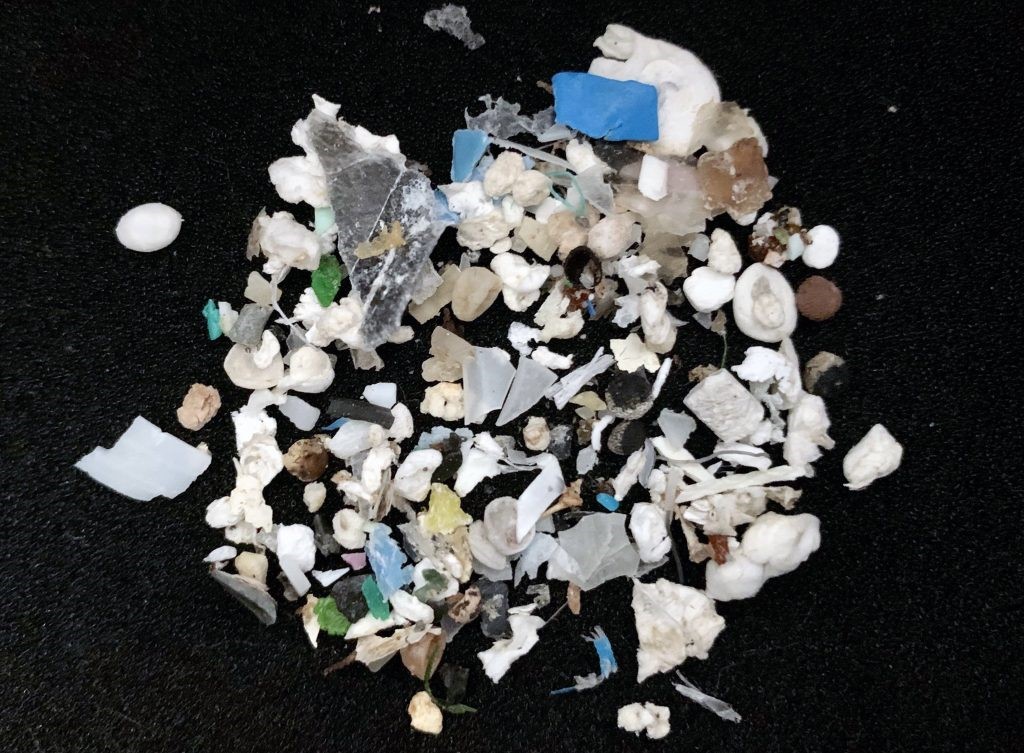
Around 430 million tons of plastic are produced globally each year, yet less than 10% is recycled. Most discarded plastic is incinerated, releasing carbon dioxide, a greenhouse gas. Additionally, plastic waste breaks down into microplastics — tiny fragments that threaten ecosystems and human health.
From November 25 to December 1, 2024, the Intergovernmental Negotiating Committee of the UN Environment Programme met in Busan, South Korea, to draft the first international treaty addressing plastic pollution. The treaty aims to curb the environmental damage plastic waste inflicts on oceans and ecosystems. It acknowledges that plastic pollution is a crisis comparable to climate change. The research team developed a material called supramolecular plastic. Supramolecules are assemblies of two or more molecules held together by weak interactions like hydrogen bonds. Their structure allows innovative functions beyond single molecules. The rapidly advancing field of supramolecular chemistry has gained attention for its potential in material development.
Microplastics have serious impacts on ecosystems. (Photo courtesy of Dr Mitsuharu Yagi, Nagasaki University)
Breaks Down in Salt Water
Conventional plastics are made from large polymer molecules formed by bonding smaller units called monomers. When polymers are built from supramolecules, their bonds break more easily, allowing the material to revert to its monomer form. This property has traditionally limited them to soft, rubber-like materials.
The team combined two monomers: sodium hexametaphosphate, used in food additives and fertilizers, and guanidinium sulfate, easily synthesized from natural raw materials.
When mixed in water at room temperature, the solution separates into a liquid upper layer and a gel-like lower layer. Drying the gel produces a colorless, transparent, glass-like supramolecular plastic. This simple manufacturing process is well-suited for mass production.
This plastic is flame-retardant and heat-resistant, but when exposed to saltwater, its chemical structure changes. Within half a day, it decomposes into reusable monomers, which bacteria can further break down. Containing nitrogen and phosphorus, these monomers could even serve as fertilizer.
Coating the plastic with a water-repellent film — made from eco-friendly materials — can extend its lifespan in saltwater environments.
Improving Supramolecular Plastics
By modifying the guanidinium sulfate monomer, the team created supramolecular plastics with varied properties, excelling in heat resistance, hardness, or tensile strength. They also replaced sodium hexametaphosphate with sodium chondroitin sulfate, a naturally derived polysaccharide, to produce plastics suitable for 3D printing.
Professor Aida shared that research on monomer combinations for supramolecular plastics began in 2020. Since their Science publication, the team has received a surge of inquiries from both domestic and international sources.
“With the global challenge of plastic waste in mind, we are committed to developing even better supramolecular plastics,” Professor Aida said, expressing his enthusiasm for the future of this research.
The Indian Vinyl Council (IVC) is a dedicated organization supporting the entire vinyl value chain, including resin producers, additives and chemical manufacturers, converters, equipment manufacturers, recyclers, and end users. Its goal is to bring all vinyl stakeholders together, creating benefits for members, consumers, and the public alike through active collaboration.
As a vital link between government bodies, policy makers, regulatory agencies, and industry, the Council aims to remove barriers if any and unlock new growth opportunities for the vinyl market. Through strategic advocacy, it seeks to clear the path for industry expansion and market development.
Networking will also be central to the Council’s mission, creating opportunities for industry leaders to connect with suppliers, academia, regulators, scientists, and experts at seminars, conferences, technical meetings, and other events.
A top priority is sharing the latest knowledge and technology updates, market insights, and sustainability trends with all members, ensuring they are well-informed about cutting-edge developments in the vinyl and allied sectors.
The Council is committed to promoting the well-being of society through environmentally responsible practices, aligned with the principles of a circular economy. Supporting innovation, training, and skill-building across the vinyl value chain is also a core focus, helping the industry achieve global standards.
Finally, the Council aims to develop technical standards that maintain quality, improve consistency, and boost the versatility of vinyl products for use in diverse applications across industries.
Objectives of the Indian Vinyl Council:
To promote and advocate all round development of the entire Vinyl industry,
To build a positive image of Vinyl products,
To assist and collaborate with the government and non-government bodies and statutory authorities for formulating industry related policies.
To promote and support standardisation and quality assurance programmes to encourage regulatory compliances,
To create awareness and educate the end users of the value proposition of vinyl products,
To support and encourage innovation, training, and skill development within the Vinyl value chain,
To institute and/or fund scientific and economic research in the industry connected with PVC and its products.
To provide a forum for member associations to collaborate for broadening the market for vinyl products.
Benefits of Becoming Member:
Platform for interacting and networking with industry leaders, suppliers, academia, regulators, scientists, and experts at seminars, conferences, technical meetings, and other events.
Opportunity to provide views in assisting and collaborating with the government and non- government bodies and statutory authorities for formulating industry related policies, including codes and standards.
Latest updates on collective & authentic information about the contributions made by the Vinyl Polymer products in improving the quality of life of all strata of the society and in the overall nation development.
Support for adopting methodologies/practices in an environmentally sustainable manner as practiced and specified in circular economy principles & models.
Access to useful knowledge on the state of technology, the market perspectives, statistics and information on various developments taking place globally, relevant to the Vinyl Industry and allied industries.
Contribution towards encouraging, promoting and supporting standardization and quality assurance programs in the field of Vinyl value chain, to encourage regulatory compliances, good manufacturing and ethical practices and to follow recognized health, safety and environmental standards.
Partnering in developing ecosystem for innovation/product development/strategic initiatives etc. for vinyl products.
We highly value your commitment to the council and believe that our success lies in associating with persuasive citizen like you, who are willing to devote your time and efforts necessary to make a difference. We therefore extend this cordial invitation to you to join IVC as one of its members. By associating with IVC, you will enjoy certain privileges and the contributions made by you as a member shall be utilised towards the objectives of IVC. The criteria for membership, privileges and details of fee are available on IVC website – https://indianvinylcouncil.com/membershipdetails
You are advised to carefully go through the same and send us the details requested therein.
We thank you for your time and thoughtful attention to this invitation. We do hope you will consider joining IVC as a member and if you have any questions or require additional information, please do not hesitate to contact Dr. Abhijit Patil through mail on abhijitgpatil1976@gmail.com or through phone on +919987058861 or any other committee members of the council.
To promote and advocate all round development of the entire Vinyl industry comprising of all elements of the Vinyl value chain
To build a positive image of Vinyl products in eyes of the end-users as well as society at large.
To create awareness and educate the end users of the value proposition of PVC products including energy conservation, eco-friendliness and sustainability.
To assist and collaborate with the Govt and non-Govt bodies and statutory authorities for formulating industry policies.
Ensure the efficient diffusion of knowledge to all our members, on the state of art technology, market perspectives, statistics & information and details of global initiatives on sustainability… all relevant to the Vinyl and allied industries.
Supporting & encouraging innovation, and training & skill development within the Vinyl value chain. Work towards the welfare of mankind and encourage responsible care in an environmentally sustainable manner as practiced and specified in circular economy.
The 12th edition of Vinyl India – International PVC & Chlor – Alkali Business Summit 2025, is scheduled to be held on 10th – 11th April 2025, at Mumbai, India and is expected to host over 1500 attendees from across the World.
This Business Summit has the unique distinction of being the only and the largest platform that binds together every segment of the Global PVC industry – thought leaders, Industry stalwarts, decision-makers, and customers in an insightful, inspiring, beneficial manner.
Multiple business trips, many months of travel, and coordination with scores of industry stalwarts for your business are simply compacted in a “one-stop” 2-day conference.
For this 12th edition, more than 1500 attendees from across the globe are actively expressing their interest. The 11th edition in 2024, featured more than 1170 delegates from 500+ organizations across 25 countries.
Vinyl India serves as a beacon for the Vinyl sector’s progress, offering a unique platform that brings together the entire Global PVC value chain. This Business Summit is not merely an event; it’s an immersive experience where industry leaders, experts, and innovators converge to discuss, educate, and innovate through content-rich presentations. Engaging plenary sessions and Panel Discussions with sector experts, extensive networking opportunities, and enriching learning experiences. Vinyl India is a Business Summit dedicated to exploring upcoming trends and opportunities shaping the future of the Global PVC Industry in this region.
Our thoughtfully curated agenda explores the latest trends, advancements, and challenges of the industry.
Who Attends?
The Platform brings together Global Resin Manufacturers, Downstream Processors, Machinery Suppliers, Technology Licensors, Additives and Stabilizers providers, Channel partners, Sustainability Experts, Traders and Indentors, Consultants, Institutions, Industry Associations, End-users as well as Policymakers from Indian and International Governments and enterprises.
WHY this Business Summit?
Enhanced Brand Exposure || Targeted Marketing Opportunities || Access to Key Decision-Makers || Networking and Relationship Building || Thought Leadership and Expertise || Business Development and Lead Generation || Brand Alignment and Association || Collaborative Opportunities and exposure to latest sustainability guidelines
USPs of the Business Summit:
Meet Technology experts, Business Leaders, Process Champions and Regulatory Authorities of the Global PVC and allied industry.
70+ impactful and exclusive Presentations on technological developments, new applications & innovations – offering Strategic 1st mover advantages to grow your Business
10 Business Sessions enriched by Interactive Q & A forums with Thought Leaders and Subject Matter Experts
Panel discussions fostering a growth mindset for positively leveraging the industry’s current challenges
Over 75 partners exhibiting their diverse spectrum of products and services in their exclusive Booths
Opportunity to Schedule meetings in advance with the ElitePlus++ Scheduler to maximize your productivity during the 2 days of the Business Summit
Over 1500 Global participants are expected, making it the Largest Vinyl Congregation Globally. The participants represent the entire value chain of the PVC Industry
2 power packed days of Networking with the who’s who of the industry
CEO Conclave with Industry leaders charting the industry’s growth in tandem with India’s current powerful positioning Globally
Exciting lucky dip prizes and a chance to win a Super-Duper Car!
Networking Cocktail and Gala Dinner
Watch Highlights of The 11th Vinyl India International Summit 2024 created History with 1170 delegates from 500+ organizations representing 25 countries, raising the benchmark still as the Largest PVC Summit Globally.
Business Summit Venue Jio World Convention Centre G Block, Bandra KC, Bandra East, Mumbai, Maharashtra 400098
Biodegradable or not? Unravelling the Fate of Microparticles in the Environment
The textile industry faces a pressing challenge: synthetic fibers shed microplastics during use and washing, contributing to a new class of environmental pollutants. These microfibers, dispersed globally through air and water, are found in glaciers, soils, lakes, and oceans, raising concerns about their potential impact on human and animal health.
At the heart of this discussion lies the “Cellulose Enigma” — why do we find a high number of cellulosic fibers in environmental samples, despite their known biodegradability?
Find out about 🌱 The complex interplay between microplastic formation and biodegradability. 🌊 Factors influencing fiber degradation in the environment. 🧪 Cutting-edge research on cellulosic and synthetic fibers, as well as bioplastics like PHA and PLA. 💡 Innovative solutions to develop fibers that fully biodegrade in natural ecosystems.
Join leading experts at the *Cellulose Fibres Conference 2025* as they explore these critical questions and share insights into preventing microplastics and reducing long-term pollution.
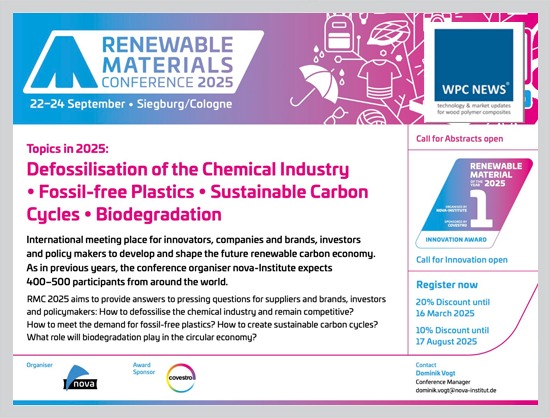
Save the date for the leading event in the Renewable Carbon Economy: The “Renewable Materials Conference 2025”, 22 to 24 September 2025, Siegburg near Bonn/Cologne (Germany) and online.
What will the future of the chemical industry look like?
In just a few years, the Renewable Materials Conference (RMC) has established itself as the international meeting place for innovators, companies and brands, investors and policymakers to develop and shape the future renewable carbon economy. As in previous years, the conference organiser nova-Institute expects 400-500 participants from around the world.
The extraction of fossil resources from the ground and their use in the energy and chemical sectors is by far the largest contributor to human-made climate change, accounting for 90% of GHG emissions. While in the energy sector decarbonisation is the way forward, the only option for the chemicals and plastics sectors is to change the carbon source from fossil to renewable carbon: The use of biomass, CO₂ and recycling is the only way forward.
RMC 2025 aims to provide answers to pressing questions for suppliers and brands, investors and policymakers: How to defossilise the chemical industry and remain competitive? How to meet the demand for fossil-free plastics? How to create sustainable carbon cycles? What role will biodegradation play in the circular economy?
To answer these questions, the conference will present numerous talks with experts and provide exceptional networking opportunities, a table-top exhibition, poster sessions, as well as workshops on most pressing topics. In addition, there will once again be the opportunity to vote for the innovation award “Renewable Material of the Year” sponsored by Covestro (DE)
Conference topics in detail
22 September: Defossilisation of the chemical industry: This urgent topic area covers alternative naphtha, biorefineries, waste valorisation, chemical recycling and carbon capture and utilisation (CCU) – all representing solutions for commodities as well as for fine chemicals. 23 September: Fossil-free plastics: As more than 20 polymers are already commercially available from biomass, CO₂ and chemical recycling, this topic area presents solutions for all application sectors. 24 September: Concepts and policies for sustainable carbon cycles and the role of biodegradation in the circular economy: What policy framework or market demand is needed to move towards renewable carbon and carbon cycles? What are the latest technical and policy developments and new trends in biodegradation?
nova-Institute is proud to announce the first top speakers
Andreas Künkel, BASF (DE): Biodegradability as End-of-Life Option in a Circular Economy: Value and the Path Forward Stephan Roest, Borealis (AT): Borealis Approach to Circular Plastics Using Renewable Carbon Florie Gonsolin, CEFIC (BE): How can the Chemical Sector Contribute to Sustainable Carbon Cycles Dirk Hölter, Cerdia (CH): Cellulose Acetate – How a Material Predating Modern Polymer Chemistry Provides Solutions for Today Tony Rehn, Fortum (FI): Carbon2x – The Next Generation of Biodegradable Plastics from CO2 Stefano Facco, Novamont (IT): Renewable Monomers and Polymers, New Coating Technologies Gian De Belder, Procter & Gamble (BE): Industry Partnerships for Solvent-based Cleaning Technologies for Polyolefin Recycling Christopher vom Berg, RCI/nova-Institute (DE): Powerful Policy Instruments to Enable the Transition to Renewable Carbon
Call for Abstracts
Want to give a presentation at the conference? You are welcome to present your latest products, technologies or developments. Submit your abstract now! Deadline for submission: 16 March 2025
Innovation Award “Renewable Material of the Year 2025”: Call for Innovations!
Want to present your innovations at the conference? You are welcome to present your latest product and process innovations.